by Noah Brennick and Alena Lukovnikova
Ever since being introduced to the project, we’ve been pondering potential topics and purposes to tackle in our photo essay. While coming up with ideas is easy, choosing one to develop an interesting story around has been challenging. Up until today, we’ve honestly been stumped. Even so, further research into sustainability and general brainstorming have guided us towards a potential path. The catalyst for this revelation was considering how the construction of “Smart World” impacts the WPI ecosystem.
Further Research on Sustainability
An issue we experienced during our initial researching process was that we viewed the photo essay as an extension of the comic book project. Consequently, we were looking into ways that the average student could make short term contributions to water sustainability. This mentality left us with a collection of generic ideas that wouldn’t be substantial enough for a 5 photo story. However, after choosing Smart World’s construction as the topic of our photo essay we decided to reevaluate our understanding of water sustainability. According to the United Nations, an integral step in improving water sustainability is to first improve water quality and wastewater management.
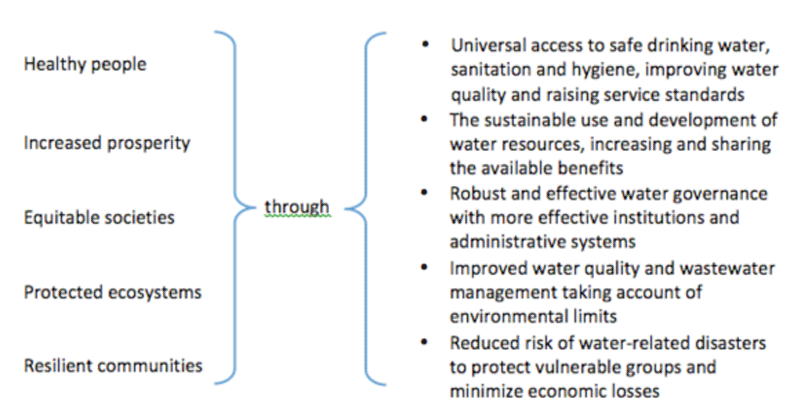
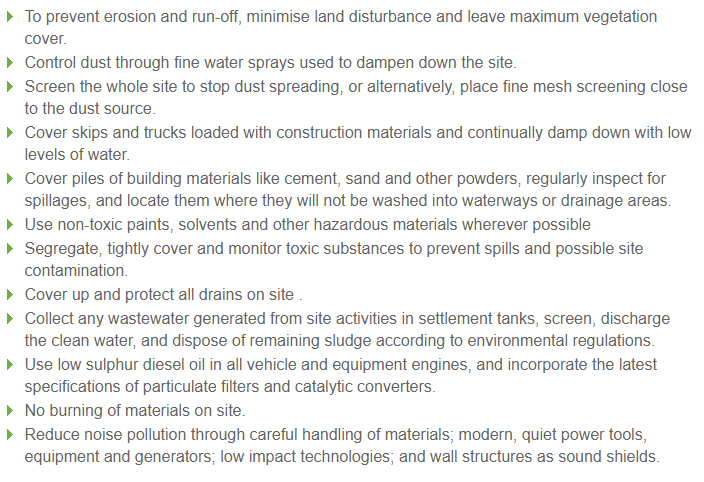
With water quality in mind, we began considering the impact that Smart World’s construction could have on local water sources. Further research, which was collected from sustainable build, informed us that “sources of water pollution on building sites include: diesel and oil; paint, solvents, cleaners and other harmful chemicals; and construction debris and dirt” (Gray). These materials make their way to water sources through erosion, surface runoff, and soaking into groundwater.
Our Photo Essay
With this new information in mind, we’re planning on focusing our photo essay on telling the story of how water pollution travels from construction sites to local bodies of water. Our audience will focus on the WPI community, with a focus on WPI staff who are in charge of overseeing construction jobs. By creating our photo story, we hope to stress the need of sustainable construction habits, which were also provided on the sustainable build website. If possible, we would also like to motion for a break from campus construction plans in favor of figuring out more constructive ways to use current space on campus without tearing up the environment.
At this point in time, we haven’t taken too many photos. Our hope is to visit the construction site on a rainy day to help capture the movement of construction pollution. Although, we have collected some pictures from Salisbury pond that’ll serve as the end point for our story:
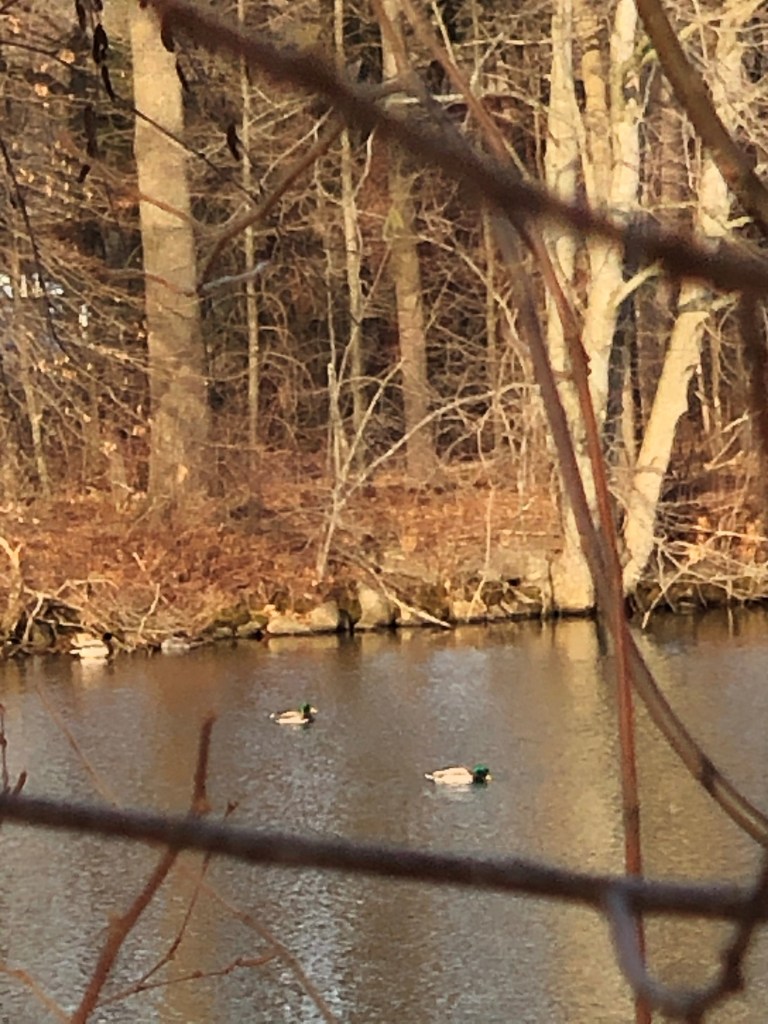
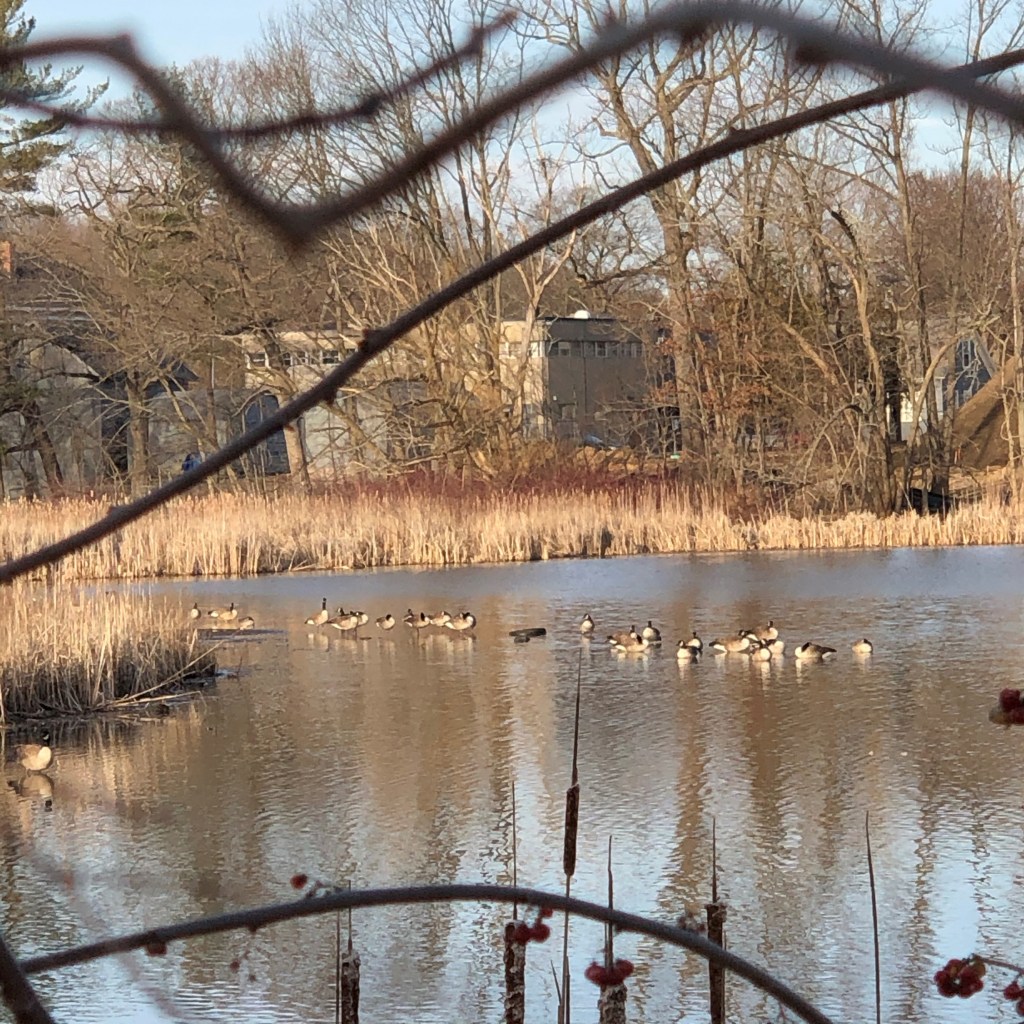
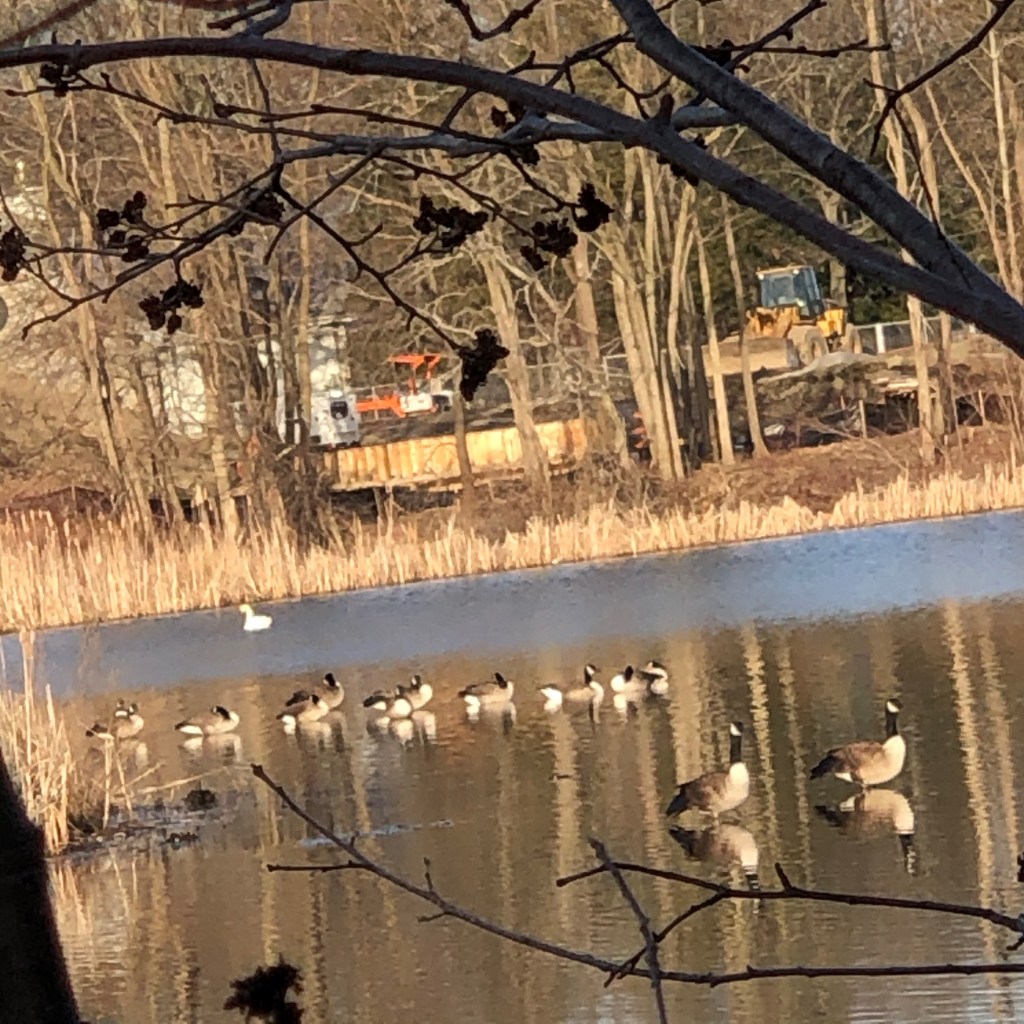
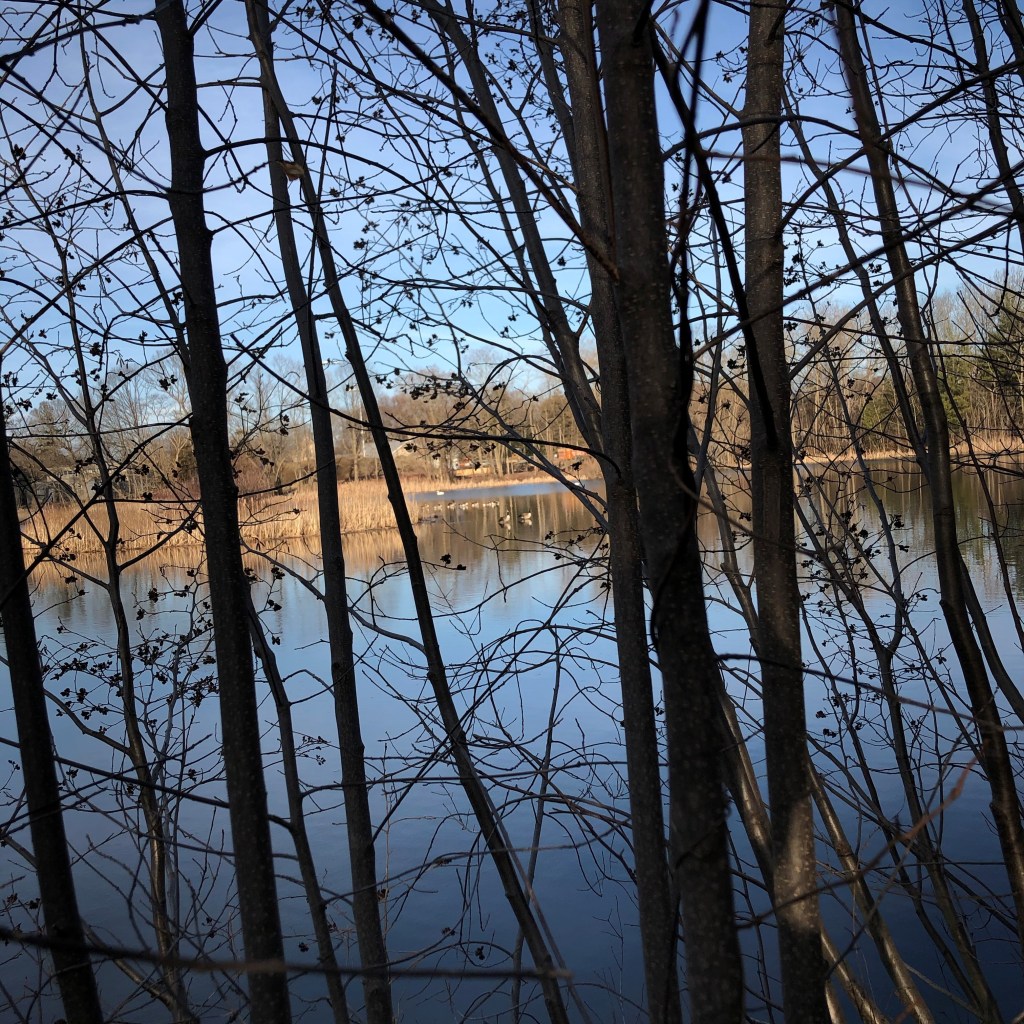
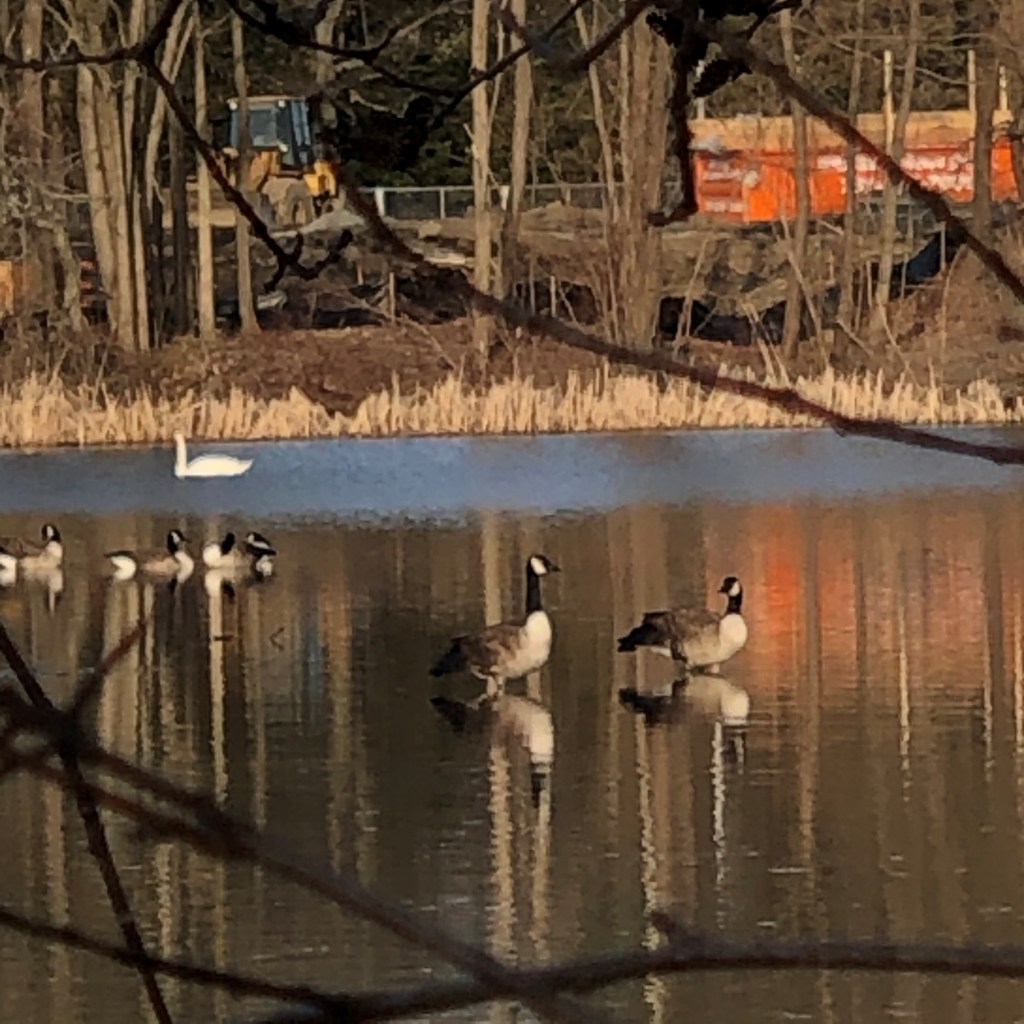
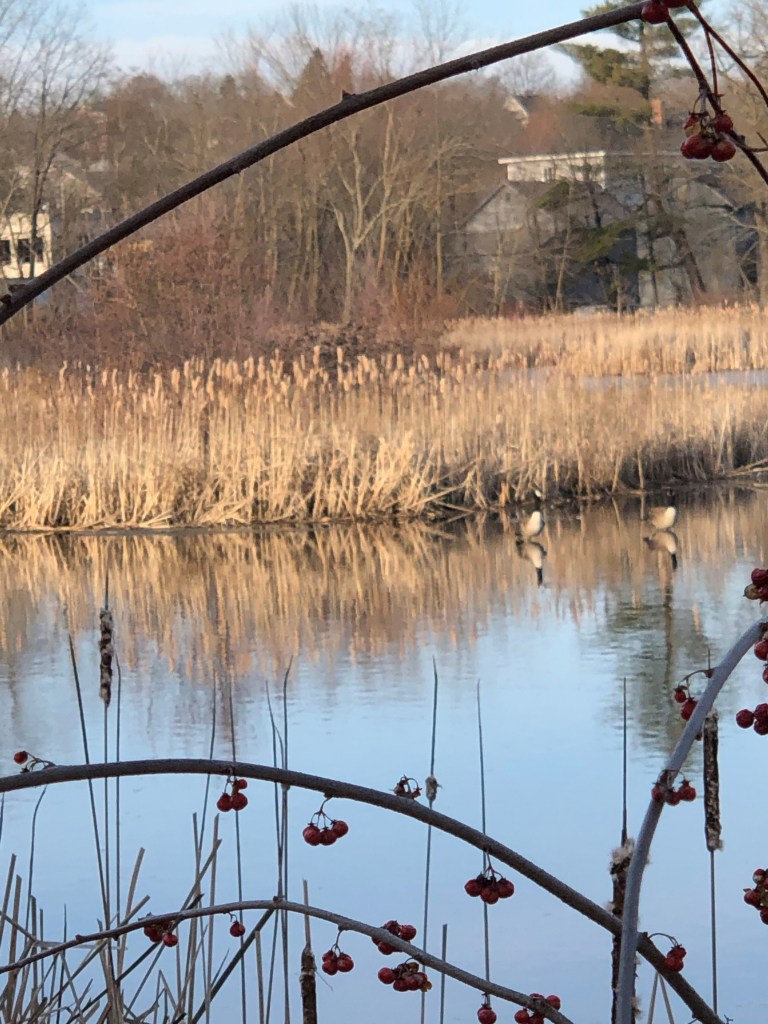
In taking these pictures, we wanted to experiment with natural frames that allow for a higher view of the geese. These artistic decisions were made to give the viewer an outside look at the pond that gives them a feeling of power. We hope that this effect will show the audience that changes on campus impact the environment around it and that it’s up to them to decide whether that change is constructive or destructive. It’s up to us to create a smarter world for nature to thrive in.
Questions
While we feel like our new plan is a step in the right direction, we have the following concerns:
- What’s a productive way to argue for better construction practices/use of current space without antagonizing our audience?
- How will we construct a 5 page story with a consistent character?
- How will we convey our intended purpose through our story?
Citations:
- sustainable, development, united nations, rio 20, Decade, Water for Life, 2015, UN-Water, United Nations, MDG, water, sanitation, financing, gender, IWRM, Human right, transboundary, cities, quality, food security. (2015, September 8). Retrieved February 24, 2020, from https://www.un.org/waterforlifedecade/water_and_sustainable_development.shtml
- Gray, J. (2020, February 19). Pollution From Construction. Retrieved February 24, 2020, from http://www.sustainablebuild.co.uk/pollutionfromconstruction.html
 Alena and Francesco's typography blog
referencing some of the photos that your shows above, i think the two most compelling are the bottom left and top right. The top right image with the geese at a canted at angle allows you to represented the same scene less like an horizontal picture that we would see with our own eyes, but rather an image that has been created. This forces me to look at the picture more inquisitively and wonder what the subject of the picture is .In this case, the geese and water are the subject… harmonizing and living in a natural way without any disturbance.
The second photo i liked is the picture on the bottom left, where you used the silhouette of the trees as the foreground. I think this is great way to show a larger landscape of the scene which represented the winding of the waterway, the two banks on either side of the water,and the foreground of strong trees.This picture is the most dynamic out of the 6 and represents as it wholesome place. This picture can be used to take some of the focus off of water specifically and show how water conservation as whole has consequences for other natural aspects
LikeLike